What do you want the treatment to achieve?
When someone asks me about a red lip tattoo, I first ask what they mean by “red”. They may want a visible, lipstick-like colour, a softer flush, or correction of lips that look uneven, greyish or darker in places. Those are different aims, so they should not automatically receive the same treatment.
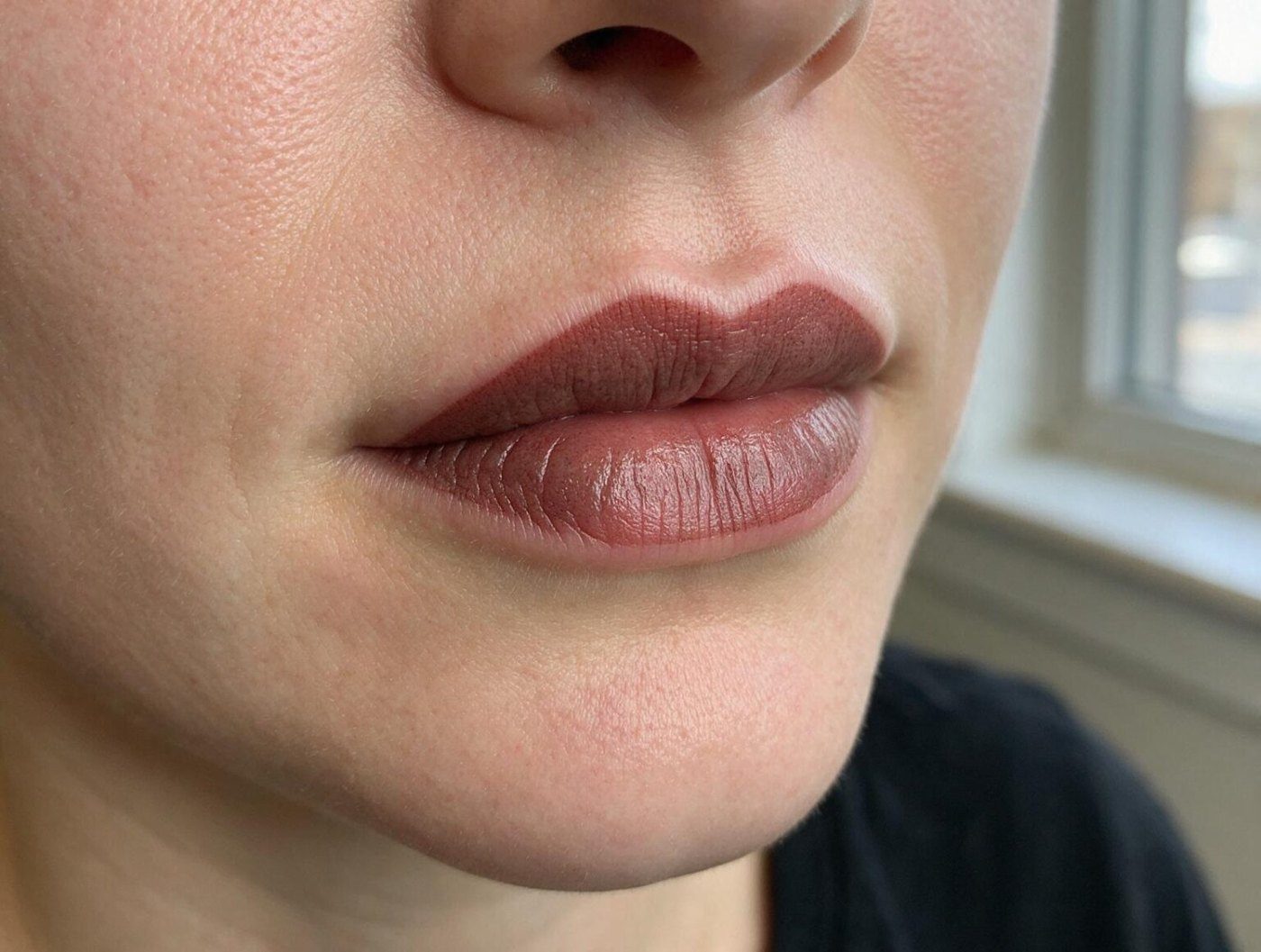
A red lip tattoo, or lip tattoo red, is one form of lip tattoo, which is an umbrella term for permanent makeup applied to the lips. A full lip colour tattoo creates more consistent coverage, while lip blush uses a lighter, diffused application for a softer result. Some clients want colour correction first and a warmer tone built gradually afterwards.
You can read more about the differences in my guide to lip blush, full lip colour tattoo and lip liner definition. I will help you choose based on your natural lip tone, lifestyle and how made-up you want to look on an ordinary day.
My background in fine art, sculpture and photography is useful here because colour is not simply a matter of picking a shade from a chart. I also draw on my experience in dental nursing when considering the lip area and discussing your comfort and suitability.
Can a red lip tattoo correct dark or uneven colour?
It can help improve the appearance of uneven lip colour, but the process is more technical than simply applying red pigment. Cool, darker or melanin-rich undertones may need to be balanced with warm tones such as orange, peach or yellow before the intended colour can be developed.
This type of correction is more common in darker skin tones, although it is not limited to any ethnicity. It may also be considered for smoker discolouration or natural unevenness. The pigment interacts with your existing melanin, so I cannot promise an exact final red. The realistic aim is usually a lighter, brighter and more even appearance.
Where correction is needed, the first appointment may focus on neutralising darker tones. Later appointments can refine the colour and add warmth. Overworking melanin-rich lips can trigger further pigmentation, so patience matters.
More than one session is commonly needed for this kind of work, with healing time between them. I assess your lips in person rather than promising a fixed number of appointments, because skin tone, existing pigmentation and the desired result all affect the plan.

Will the finished colour look bright red?
Not necessarily. Lip tissue, undertone and healing all influence how the colour appears. A shade that looks strongly red immediately after treatment will usually soften as the lips heal. The result is also affected by the amount of pigment deposited and whether we are correcting colour or adding a new tone.
I prefer to discuss the result you want in practical terms. Do you want your lips to look naturally flushed, warmer and more even, or closer to wearing a tinted lip product? Bringing reference ideas can help, but a photograph cannot predict exactly how your own lips will heal.
Colour selection should take account of your natural colouring, personal style and makeup habits. I generally encourage clients to choose a colour they can live with as it fades, rather than chasing a short-lived trend. Permanent makeup should support your features, not dominate them.
A consultation is therefore an important part of the treatment. I mark and assess the area, talk through the intended shape and intensity, and explain what can and cannot be achieved. Numbing is used to make the procedure more comfortable.
What are the drawbacks and risks?
A lip tattoo is a long-term cosmetic decision, even though the colour gradually softens over time. It may require a refresh in the future, and an unsuitable result can be difficult to correct. This is why I recommend looking at healed examples of a practitioner’s work, not only freshly completed photographs.
As with any procedure that breaks the skin, there is a risk of irritation, infection or an allergic reaction. Tell me about allergies, medication and relevant medical history before treatment. A history of cold sores is particularly important to discuss because treatment around the mouth may trigger an outbreak. Your suitability should be assessed properly rather than assumed.
You should also be cautious if you are hoping for a perfectly predictable shade. Lip pigment does not behave identically in every person. Your natural undertone, melanin, skin condition and healing response all contribute to the result.
Choosing a licensed and experienced permanent makeup practitioner, reviewing healed work and following aftercare instructions can reduce avoidable risks. If you are uncertain, my guide to lip tattoo contraindications explains the types of circumstances that need particular care.
What is healing like after treatment?
Your lips may look stronger or darker immediately after treatment than they will once healed. They can also feel tender, tight or dry for a short period. The surface appearance changes as the skin heals, so judging the final colour too early can create unnecessary worry.
Good aftercare supports an even result. I will give you instructions specific to your treatment, including how to keep the area clean, what to avoid and how to manage dryness. Please leave flaking skin alone, and follow the aftercare instructions I give you.
Healing takes time, and a follow-up may be needed to assess the settled colour and decide whether refinement is appropriate. This is especially relevant when darker or uneven lip tones are being corrected gradually.
Read my lip tattoo aftercare and healing guide before booking so you understand the practical commitment as well as the cosmetic benefit.
Who might decide it is a good idea?
A red lip tattoo may suit you if you regularly use lip colour, want to reduce visible unevenness, or prefer a consistent tint without applying makeup each day. It may also suit someone who wants fuller-looking colour without changing the physical size of the lips. Permanent makeup does not add volume, however, and it cannot replace medical treatment for a lip condition.
It may not be the right choice if you are unsure about the colour, want a different shade every day, have an active problem around the lips, or are unwilling to follow the healing advice. Sometimes a softer lip blush is more appropriate than full colour saturation. In other cases, postponing treatment is the sensible decision.
I offer lip tattoo treatment at Dagna Courtman PMU & Beauty in Tollerton, York. My role is to give you an honest assessment, explain the compromises and help you decide whether the result matches your expectations. If you would like to discuss your options, you can contact the studio about a consultation.
If you would like to talk it through, you are welcome to book a consultation.
Frequently asked questions
Is a red lip tattoo permanent?
It is considered permanent makeup because pigment is implanted into the lip tissue, but the visible colour gradually fades. The result is not identical to a conventional lipstick application, and future colour refreshes may be wanted. How long it remains noticeable varies with skin, lifestyle, sun exposure, technique and the individual healing response.
Can I choose any shade of red?
You can discuss your preferred colour, but the final result depends on your natural lip tone and undertone. A red that looks suitable on a colour chart may heal differently on your lips. I assess the existing colour and may recommend a warmer or softer approach rather than promising an exact shade.
Is lip blush better than full red colour?
Neither is automatically better. Lip blush is generally chosen for a softer, diffused tint, while fuller colour gives more consistent coverage. If you want a subtle enhancement, lip blush may be the closer match. If your priority is stronger coverage or correction, a fuller approach may be discussed after assessment.
Can a lip tattoo make lips look bigger?
A lip tattoo cannot physically add volume because it does not change the underlying structure of the lips. Carefully placed colour can make the lip border or overall colour appear more defined, which may create a visual impression of fullness. Shape changes should remain conservative and be agreed during consultation.
Can I have treatment if I have had lip filler?
This depends on your circumstances, the timing of the filler and the condition of your lips. You should disclose previous or planned lip treatments during consultation. The lips need to be suitable for tattooing, with no active irritation or unresolved issue. I will advise whether postponement is sensible.
What happens if I dislike the healed colour?
The first step is to allow the lips to complete healing, because early colour is not the final result. Depending on the issue, correction may involve a carefully planned adjustment, further neutralisation or leaving the area to fade. Prevention is important, so I discuss realistic colour expectations before treatment.