What are microblading eyebrows?
When people ask me what is microblading eyebrows, I explain that it is a form of cosmetic tattooing for the brows. I use a manual hand tool fitted with very fine needles, rather than a motorised machine, to create hair-like marks. Pigment is placed in the upper skin layers so the finished brows can look light, soft and natural rather than like a solid block of colour.
The aim is usually to add the appearance of fullness, define an existing brow shape or fill areas that look sparse. Microblading tends to suit clients with normal or dry skin who want individual strokes. Skin type, existing brow hair, lifestyle and the result you have in mind all affect whether it is the right choice.
It is important to remember that microblading is still a tattoo. The colour softens and fades over time, but pigment can remain in the skin. That is why I treat the design and technique as a long-term decision, not simply as a beauty appointment.
How is microblading on eyebrows done?
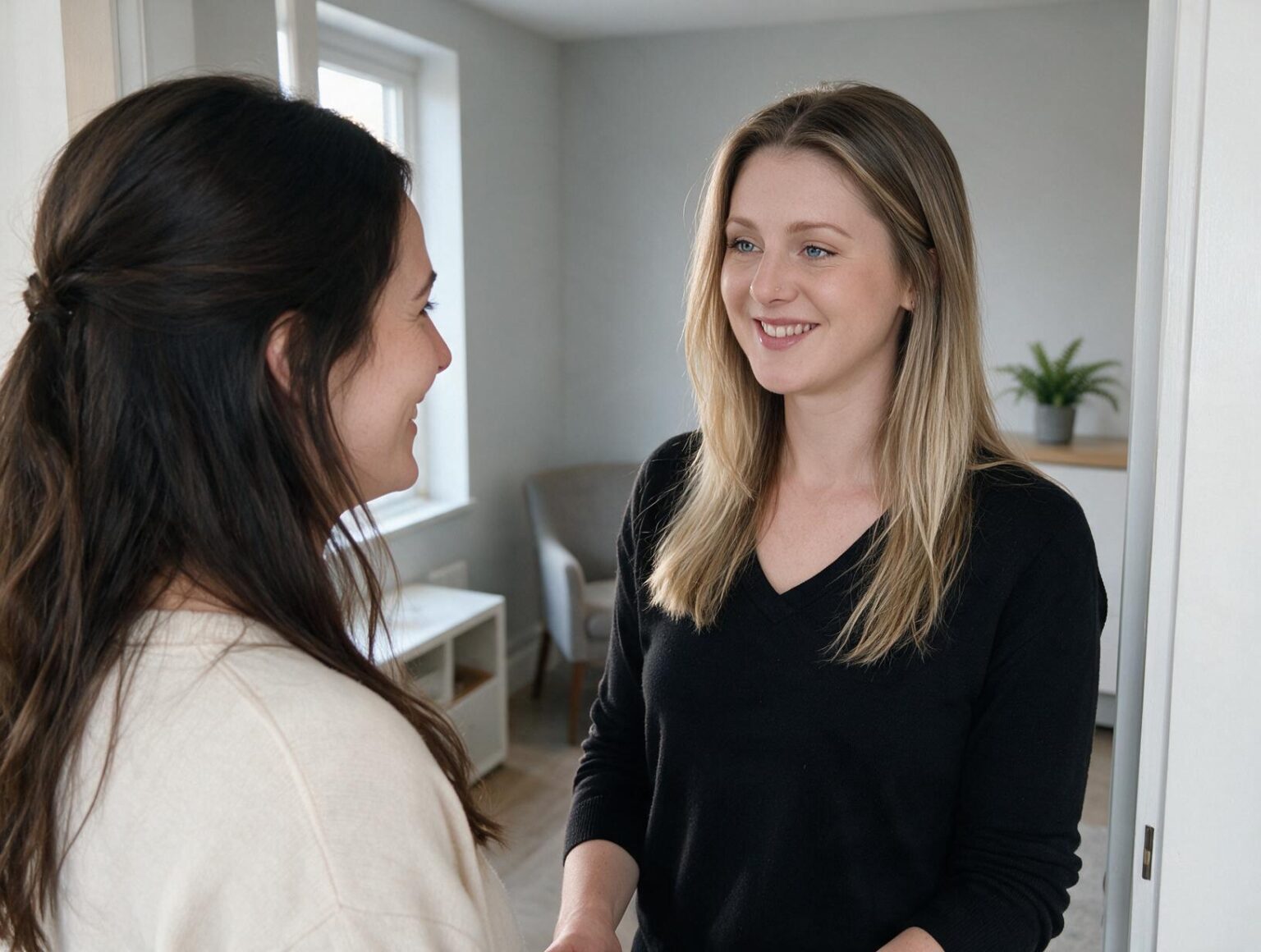
I start with a consultation before any treatment. We discuss your skin, medical history, daily routine, expectations and the look you want to achieve. I also explain the difference between manual microblading and machine techniques, such as machine hairstrokes or ombré brows, so you understand exactly what you are booking.
I then create the brow design freehand. I do not rely on face-measuring devices or symmetrical mapping, because no face is perfectly symmetrical. Instead, I consider your natural features, existing brow hair and facial structure to create a balanced design that suits you.
Once we agree on the shape and colour, I apply topical numbing to improve comfort. I then use the handheld blade to make controlled, hair-like strokes and deposit pigment as I work. The pigment is placed into the upper dermis. If it is placed too shallowly, it may fade very quickly. If it is placed too deeply, strokes can spread and become blurred.
At the end, I check the brows, explain what you may notice during healing and give you aftercare instructions. The appointment should never feel rushed. Careful design, colour choice and placement matter because these decisions remain visible after the appointment.
Does microblading suit every skin type?
Not always. Microblading is not automatically the best option for everyone. Oily or thick skin can cause individual strokes to soften, blur or fade more quickly. Clients with this skin type may find a machine method, such as hairstroke brows, ombré brows or a combination approach, a better fit, depending on their goals.
Your lifestyle is relevant too. Frequent sun exposure, skincare products that increase exfoliation and naturally oily skin can affect how long the strokes remain crisp. I discuss these points before treatment rather than choosing a technique based only on a trend or a photograph.
If you are comparing methods, my guide to microblading and your skin and lifestyle may help you think through the practical questions. You can also compare hairstroke brows with microblading before making a decision.
What should you expect after the appointment?
The brows can look darker or stronger immediately after treatment. This is expected and does not show the final healed colour. The area may feel tender, and light flaking or scabbing can occur as the skin settles. I ask you not to pick or scratch, as interfering with the area can affect the healed result.
For the first few days, keep the brows dry for at least 24 hours and avoid direct sun, facial creams, exfoliants and heavy exercise around the treatment. Follow the specific aftercare I give you, including any recommended post-care ointment. Temporary colour changes during healing are normal, so try not to judge the result while the skin is still settling.
Permanent makeup generally heals over several weeks, even when the visible flaking has finished. The brows may appear lighter and softer as they heal. A perfecting appointment is commonly needed after the initial procedure so that healed colour and any areas that need refinement can be assessed. I will advise on the appropriate timing for you.
What are the alternatives to microblading?
Microblading is only one way to create fuller-looking brows. Machine hairstrokes use a digital device rather than a manual blade. Ombré brows create a softly shaded effect, while combo brows combine hairstrokes with shading. Brow tinting, henna brows, waxing and shaping are non-permanent options if you prefer to change your look more frequently.
I explain the choices during consultation rather than assuming one technique suits every client.
You can view relevant PMU case studies from Bedale when researching healed permanent makeup work. I provide permanent makeup from my studio in Tollerton, York, and I encourage you to bring questions about shape, colour, healing and future touch-ups to your consultation.
If you would like to discuss whether microblading is suitable for your brows, you are welcome to book a consultation.
Frequently asked questions
How long does a microblading appointment take?
The length varies according to the consultation, design, colour selection and amount of work required. A thorough first appointment includes time to discuss your expectations, create the shape, apply numbing, complete the strokes and explain aftercare. I allow enough time for careful work rather than treating the appointment as a quick brow service.
Is microblading painful?
Most clients feel some scratching, pressure or sensitivity rather than severe pain. I use topical numbing, and comfort can vary with your skin and individual tolerance. I also work carefully and check how you are feeling during the appointment. We can discuss any concerns about sensitivity before treatment begins.
Can microblading damage my natural eyebrow hair?
The treatment is intended to place pigment in the skin between and around existing brow hairs, not remove the hairs themselves. Microblading can cause some skin trauma and scabbing, so technique and depth matter. A consultation helps assess the area and identify whether another brow method would be more suitable for your existing hair and skin.
Can I have microblading if I already have old brow tattoo pigment?
Possibly, but existing colour and shape need to be assessed first. New strokes may not sit clearly over faded or uneven pigment, and a colour or shape correction may be needed. In some cases, removal or lightening should be considered before adding more pigment. I will explain the realistic options at consultation.
How often will microbladed brows need a top-up?
There is no single schedule for everyone. Skin type, sun exposure, skincare, lifestyle and the original application all affect fading. A perfecting appointment is usually considered after the first treatment has healed, while later maintenance is assessed when the colour and definition have reduced. Some clients need attention sooner than others.
Can I wear makeup after microblading?
I recommend avoiding makeup directly on the treated brows during the early healing period, together with exfoliating products and unnecessary touching. This gives the skin time to settle. You can normally use makeup away from the area if it does not come into contact with the brows, but follow the individual aftercare instructions I provide.
What is the difference between microblading and ombré brows?
Microblading creates separate hair-like strokes with a handheld blade. Ombré brows use a machine to create a gradual shaded effect, usually lighter at the front and more defined towards the tail. Neither is automatically better. The appropriate choice depends on your skin, desired finish, existing brow hair and how you want the result to age.