
What should I do before permanent makeup?
The most helpful preparation is to give your skin a calm starting point and give me accurate information during the consultation. Permanent makeup is a cosmetic tattooing treatment, so the condition of the skin and your general health both matter.
Come with the treatment area clean and free from makeup where possible. This lets me assess your natural skin, existing hairs and any previous pigment properly. If you are having brows treated, you do not need to remove every natural brow hair yourself. I prefer to see what is naturally there before we plan the shape.
Avoid booking the treatment immediately after anything that has irritated or sensitised the area. This includes strong exfoliation, retinol products, chemical peels and sun exposure. If the skin is sore, peeling, inflamed or sunburnt, tell me before the appointment. It may be more sensible to wait until it has settled.
Do not make a last-minute dramatic change to your brows before coming in. Over-plucking or waxing immediately beforehand can leave the skin sensitive and can make it harder to assess your natural shape. If you regularly wax or shape your brows, you can read more about brow waxing and shaping separately.
What information should I tell my PMU practitioner?
Please be open about anything that could affect the treatment or healing. I will want to know about allergies, previous reactions to cosmetics or topical anaesthetic, skin conditions, medication and relevant medical history. It is also important to tell me if you have had permanent makeup, microblading or tattooing in the same area before.
Previous pigment changes the appointment considerably. Colour may have faded unevenly, moved outside the original shape or healed to a different tone. New pigment cannot simply be placed over every old result. I need to assess what is already in the skin and decide whether a correction, colour adjustment or removal plan is more appropriate.
If you have concerns about an old brow treatment, please do not assume that a fresh appointment is the right next step. I may recommend assessment first, and some cases need pigment lifted or neutralised before new work can be considered. You can read how PMU brow removal works if removal has been mentioned.
Tell me about any known sensitivities before we discuss products or anaesthetic. Tell me if you have reacted to pigment, hair dye, cosmetics or numbing products in the past, and we will discuss whether any extra precautions are sensible. A patch test is a safety check, not a guarantee that every possible reaction can be predicted.
What happens during the consultation?
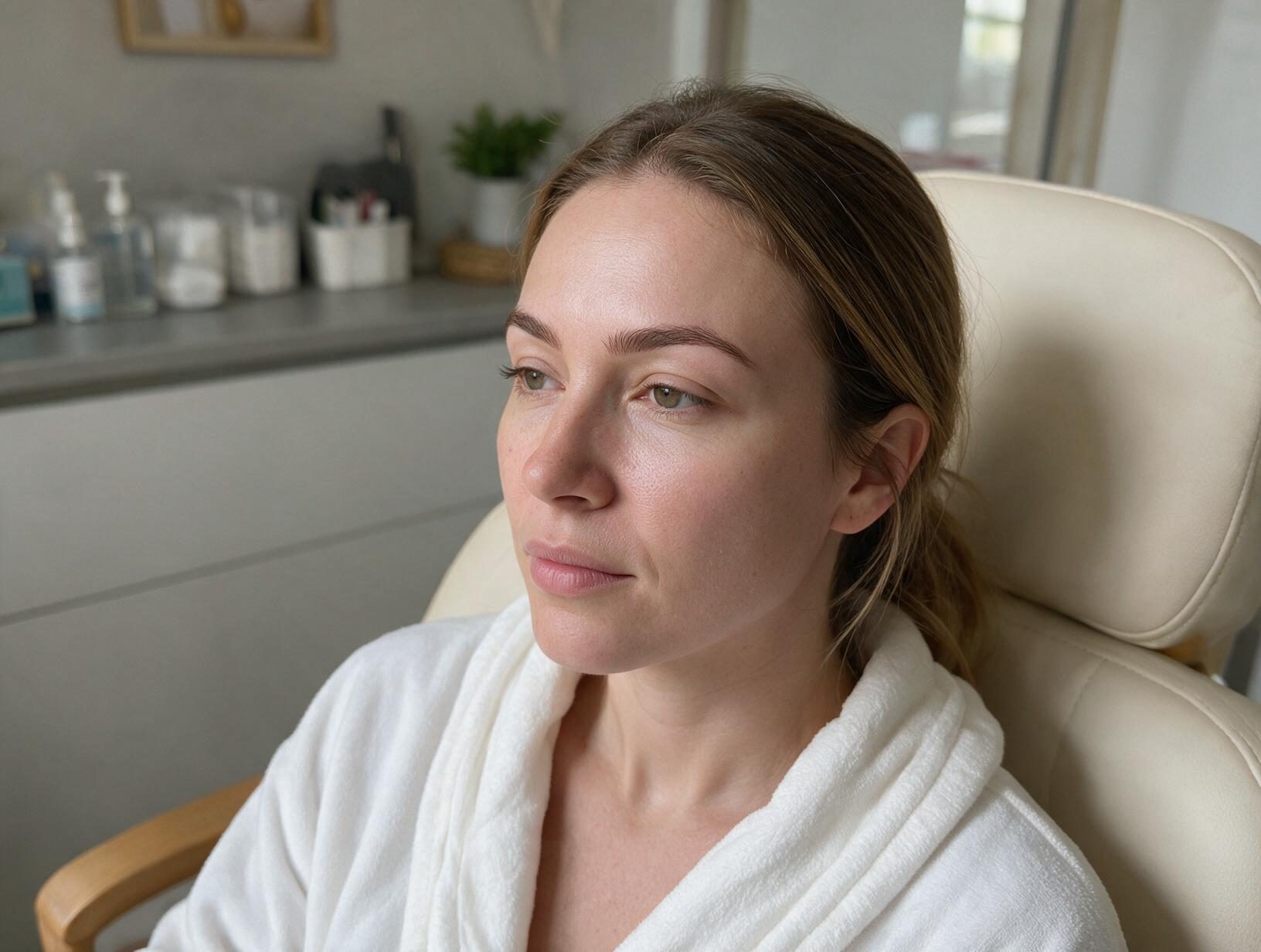
Your consultation is where we turn an idea into a realistic treatment plan. We will discuss the style you are considering, your usual makeup, your lifestyle and how defined or soft you want the healed result to look. Inspiration photographs can help explain the finish you like, although your final design must suit your own features and skin.
I will assess the existing brow hair, facial balance, skin and any previous pigment. We will then discuss the shape before treatment starts. I do not want you to feel rushed into a design. You should have the opportunity to look at the mapped outline, ask questions and say what feels right or not quite right.
Colour is also discussed carefully. The colour seen immediately after treatment is not the same as the healed result. Permanent makeup can look stronger at first, then soften as the skin heals over the following weeks. I explain this beforehand so you understand what is normal and do not judge the result too early.
Different treatments have different finishes. My permanent makeup services include ombre brows, combo brows, hairstroke brows, microblading, eyeliner tattoo and lip tattoo. The best option depends on your natural features, skin and desired appearance, rather than on a trend or a photograph alone.
What should I avoid before my permanent makeup appointment?
On the day, keep the treatment area clean and avoid arriving with heavy makeup over it. Wear something comfortable and allow enough time for the consultation, design and treatment rather than planning a rushed appointment immediately afterwards.
If you feel unwell, have an active skin flare-up or develop irritation near the treatment area, contact me before attending. It is better to discuss a change of circumstances than to continue without telling me.
Do not use somebody else’s advice about medication as a substitute for speaking with the relevant healthcare professional. If you take prescribed medication or have a health condition that may affect bleeding, healing or skin sensitivity, tell me clearly. I can then explain whether further advice or a change of plan is needed.
I use anaesthetic during permanent makeup treatments to help with comfort. Please tell me if you have previously reacted to topical anaesthetic or have particularly sensitive skin. Comfort matters, but safety and suitability come first.
How should I prepare mentally for the result?
Permanent makeup is designed to enhance your features, not create an identical copy of somebody else’s brows or lips. Your skin, natural hair, facial movement and existing pigment all influence the result. I will aim for a balanced design, but I will also explain what can realistically be achieved before we proceed.
Healing is gradual. The area can appear darker, stronger or more defined immediately afterwards, then soften as it heals. Some clients need a later touch-up appointment, depending on how the pigment settles and what result is wanted. We assess the healed skin rather than making rushed changes while it is still recovering.
Aftercare is part of preparation too. Before treatment, make sure you understand how to keep the area clean, avoid unnecessary irritation and protect it while it heals. Follow the specific advice I give you for your treatment, because brows, eyeliner and lip work do not all have identical aftercare needs.
Most importantly, come prepared to ask questions. You can ask about technique, colour, healing, aftercare, possible correction and whether your chosen treatment is suitable. My role is to help you make an informed decision, including telling you when a different option or further assessment would be wiser.
If you would like to talk it through, you can contact me to arrange a consultation.
Frequently asked questions
Can I wear makeup to a PMU appointment?
Please avoid makeup on the area being treated so I can assess the skin and existing hair or pigment accurately. You can wear makeup elsewhere if you wish. If you arrive with makeup on the treatment area, I can remove it, but clean skin makes the consultation and design process more straightforward.
Can I have PMU if I already have microblading?
Sometimes, but it depends on the colour, depth, shape and age of the existing work. New pigment may not improve heavily saturated or poorly placed pigment. I need to assess the healed result first, and removal or colour correction may be recommended before another technique is considered.
Should I bring eyebrow inspiration photographs?
Yes, photographs can be useful for showing the softness, colour or overall finish you prefer. They are reference points rather than templates. I will also consider your natural brow hair, facial proportions, skin and existing pigment before recommending a design that is appropriate for you.
Can I book PMU while my skin is sunburnt?
Please tell me if the treatment area is sunburnt, peeling, inflamed or unusually sensitive. Sun exposure can make skin less suitable for treatment and may affect comfort and healing. We can discuss the safest timing once the skin has recovered.
What if I am nervous about permanent makeup?
Tell me before the appointment rather than trying to hide it. We can take time to discuss the process, design and comfort measures, including anaesthetic. The consultation is an opportunity to ask questions and decide whether you feel ready, with no pressure to proceed before you understand the plan.
Can I have more than one PMU treatment at the same appointment?
That depends on the areas involved, your suitability and the total treatment plan. Combining procedures is not automatically appropriate, because each area has its own design, anaesthetic and healing considerations. I would assess your request during consultation and explain what is sensible before confirming anything.