By Dagna Courtman, Permanent Makeup Artist at Dagna Courtman Permanent Makeup And Beauty
I explain that lip blush usually lasts 2 to 3 years, but fading speed varies with skin type, sun exposure, smoking, medication and age-related cell turnover. Oilier skin, higher UV exposure and faster renewal can soften pigment sooner. A colour refresh is routine maintenance, not evidence that the original work was poor.
You’ve had your lips done, healed beautifully, and now, six months on, you’re squinting in the mirror wondering if the colour looks a bit softer than it did. That’s not your imagination, and it’s not a mistake either. Here’s what genuinely determines how long a lip tattoo lasts, and when a top-up actually makes sense.
A lip tattoo generally lasts between 2 and 3 years before it needs a proper colour refresh, though plenty of factors speed that timeline up or slow it down. Skin type, sun exposure, smoking and even how your immune system processes pigment all play a part. Understanding these variables means you’ll know what to expect instead of panicking the moment your colour starts to soften.
1. Your skin type sets the baseline before you’ve even started
Oilier skin pushes pigment out faster than dry or normal skin. If you’ve got visibly open pores or a shiny T-zone that extends down to your lip area, you’ll likely see your lip blush soften closer to the 18-month mark rather than the 3-year mark.
Dry, mature skin tends to hold pigment for longer, sometimes stretching results towards 3 years before a refresh feels necessary. Neither is better nor worse; it’s simply how your skin behaves, and a competent artist will factor this into your aftercare advice and your recommended top-up schedule from day one.
2. Sun exposure breaks pigment down faster than almost anything else
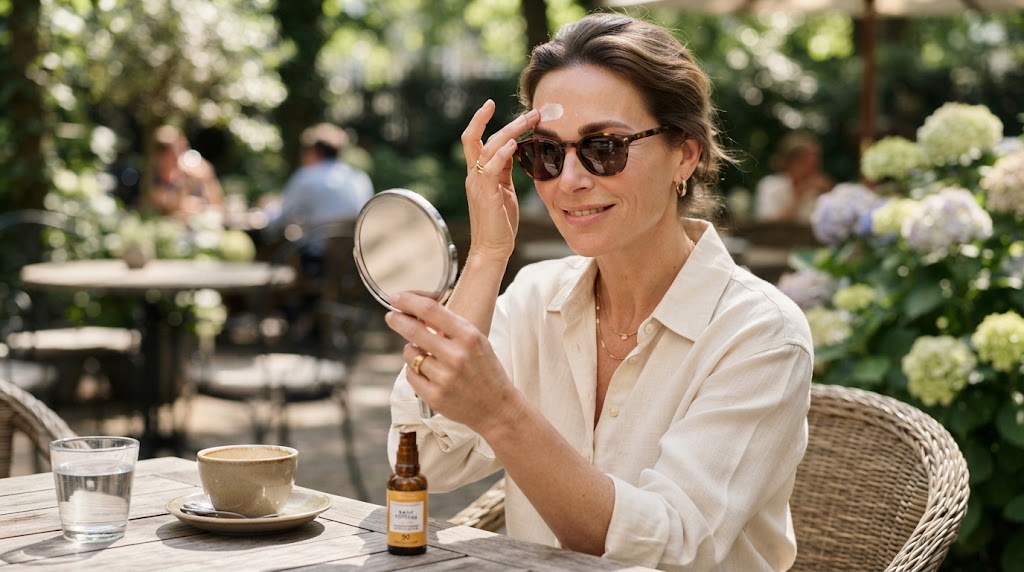
UV light is the single biggest accelerant of colour fade on lips, full stop. Pigment particles sitting in the dermis are vulnerable to breakdown from ultraviolet rays, in exactly the same way it fades ink in a tattoo elsewhere on the body.
If you’re someone who holidays abroad twice a year, walks the dog daily without lip SPF, or simply spends a lot of time outdoors, expect your colour to soften noticeably sooner than someone who’s more indoor-based. Wearing an SPF lip balm daily isn’t just good skincare advice; it genuinely extends how long your results hold their depth.
3. Smoking and certain medications quietly speed up fading
Nicotine constricts blood vessels and affects how pigment settles and survives in the skin. Regular smokers often find their lip tattoo fades 20 to 30% faster than non-smokers, and colour can sit slightly patchier during healing too.
Certain medications, particularly those affecting blood clotting or immune response, can have a similar effect. It’s worth mentioning any regular medication at your consultation, not because it rules you out, but because it helps your artist set realistic expectations for your longevity timeline from the outset.
4. Age and cell turnover rate matter more than people realise
Younger skin regenerates faster, which sounds like a good thing until you realise faster cell turnover also means faster pigment migration towards the surface and out. Clients in their twenties and early thirties sometimes need their first colour refresh sooner than clients in their fifties, purely down to biology.
Skin that’s naturally slower to renew, which tends to come with age, often holds pigment in the dermis for longer stretches. This is one of the reasons a good consultation asks about your age and general skin health, not just your desired shade.
5. A colour refresh is maintenance, not a correction
Here’s the bit that trips people up: needing a top-up doesn’t mean your original lip tattoo was done badly. Pigment naturally softens as skin cells turn over and shed, exactly the way it does with eyebrow tattoos or any other form of cosmetic tattooing. It’s expected, not exceptional.
Most artists recommend a colour refresh appointment somewhere between 12 and 18 months after your initial sessions, sometimes earlier if you fall into any of the faster-fading categories above. This appointment usually involves a lighter pass of pigment over the existing shape, often healing faster and with less initial vibrancy shift than your first session, since the groundwork is already there.
Skipping refreshes entirely isn’t dangerous; it simply means your colour will continue to soften until it’s barely there. If you liked how your lips looked at 6 weeks post-healing, booking your refresh before the colour drops too far keeps you consistently close to that result, rather than starting again from faded.
Knowing these five factors means you can plan sensibly rather than being caught off guard. A lip tattoo isn’t a one-and-done treatment; it’s an ongoing relationship between your skin and your pigment, and top-ups are simply how you stay in control of the outcome.
Frequently Asked Questions
How long does a lip tattoo last before it needs a top-up?
Most lip tattoos last 2 to 3 years before fading becomes noticeable, though many clients book a colour refresh appointment around the 12 to 18 month mark to keep the shade looking fresh rather than waiting for it to fade significantly first.
Why has my lip blush faded faster than my friend’s?
Fading speed depends on skin type, sun exposure, smoking, medication and age-related cell turnover. Oilier skin and higher UV exposure both accelerate pigment breakdown, so two people can have identical work done and see very different longevity results.
Does needing a colour refresh mean my initial lip tattoo was done poorly?
No. Pigment naturally softens over time as skin cells renew and shed, the same way it does with any cosmetic tattooing including SMP. A colour refresh is routine maintenance, not a correction of substandard original work.
What happens during a lip blush colour refresh appointment?
A colour refresh typically involves a lighter pass of pigment over your existing lip shape and colour. Healing is usually quicker than your first session since the groundwork is already established, and most clients see results settle within a few weeks.
Can sun exposure really make my lip tattoo fade faster?
Yes. Ultraviolet light is one of the biggest causes of pigment breakdown in lip tattoos. Regular sun exposure without SPF protection on the lips can noticeably shorten how long your colour stays vibrant compared with someone who shields the area consistently.
Ready to talk it through?
Dagna Courtman PMU & Beauty in Tollerton offers a personal consultation to answer your questions and recommend the right approach for you. Get in touch with Dagna Courtman PMU & Beauty to book your consultation.