What makes blonde or fair brows different?
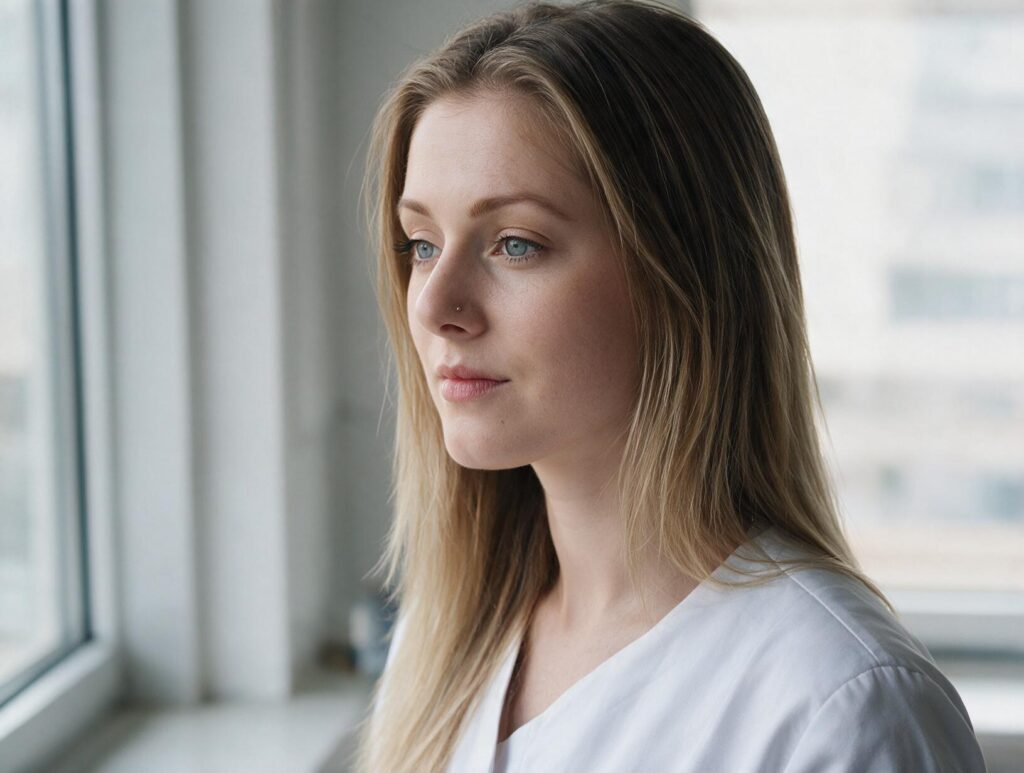
When your brow hairs are very light, even small changes in pigment can make a noticeable difference. A shade that looks subtle on darker brows may appear quite strong against fair skin and blonde hair. My aim is not to make the brows look darker for the sake of it. I want the shape and colour to sit naturally with your features.
I look at your natural brow hair, skin tone, undertone and the amount of brow hair you already have. Your hair colour gives me an important reference point, but it is only one part of the decision. A pigment chosen without considering the skin can heal too warm, too cool or simply look disconnected from the rest of the face.
For very fair or almost invisible brows, I usually consider the overall balance carefully. The most believable result may be a softly defined brow rather than a highly contrasted one. We discuss how you normally wear your make-up, whether you want a barely-there enhancement or more visible definition, and how you feel about the brows looking stronger immediately after treatment.
Can microblading look natural on blonde brows?
It can. Microblading uses a handheld blade to create fine, hair-like strokes by placing pigment into the upper layers of the skin. The strokes are designed to sit among your existing hairs, so the technique can be useful when you have gaps, a weak tail or a small area that needs definition.
Natural-looking microblading brows depend on restraint. I need to consider the direction, spacing and length of each stroke, rather than drawing a repeated pattern across the whole brow. On fair brows, an overly dark or densely packed result can be especially obvious, so the design and colour need to be agreed carefully before pigment is applied.
It is also important to understand that no cosmetic tattoo technique can reproduce the exact softness of real blonde hair in every lighting condition. Immediately after treatment, the brows can appear stronger than the healed result. Permanent makeup healing generally takes several weeks, during which the colour softens and settles. I explain this change during consultation so you know what is normal to expect.
You can read more about microblading for sparse eyebrows if your main concern is gaps or limited natural brow hair.
Which skin types are suitable for microblading?
Microblading is generally best suited to normal or dry skin. With these skin types, individual strokes are more likely to remain readable as they heal. Oily skin can make fine strokes soften, blur or fade more quickly because of oil production and the way the skin holds pigment.
This does not mean that every client with oily or combination skin is automatically unsuitable. It does mean I need to be honest about the likely result and whether another approach may give you a more reliable finish. Mature skin, sensitive skin and skin with a looser texture also need individual assessment, because crisp hair-like strokes may not heal in the same way as they would on younger, drier skin.
During a professional consultation, I review your skin, lifestyle, medical history and expectations before proceeding. Please tell me about allergies, previous permanent makeup, skin conditions, medication and any history of keloid scarring. A treatment plan should be based on your circumstances, not on a photograph of someone else’s brows.
Would ombre or combination brows be better?
For some blonde or fair-haired clients, ombre brows can create a softer and more consistent result. Ombre brows use gradual shading rather than relying entirely on separate hair strokes. They can give the brow a gently defined shape while avoiding the appearance of a collection of dark lines.
Combination brows blend hairstrokes with shading. This may be worth discussing if you want some texture at the front but need more definition through the body and tail. The right option depends on how much natural hair you have, your skin type and whether you prefer a make-up effect or an understated enhancement.
I do not choose between techniques by trend alone. I consider how the result is likely to heal on your skin and how it will fit your everyday routine. My guide to ombre brows versus microblading explains the main differences in finish and suitability.
It is also reasonable to choose a temporary option first. Brow tint, henna brows, waxing and shaping can help you explore a different colour or outline before deciding whether permanent makeup feels right for you.
What should I expect before and after treatment?
Before treatment, we discuss the proposed shape and colour. We agree the design together so you can ask questions before any pigment is implanted. Anaesthetic is used to help make the procedure more comfortable, although you may still feel pressure or some sensitivity.
Afterwards, follow the individual aftercare guidance I give you. Keep the area clean and avoid picking at flaking skin while it heals. Sweat, unnecessary touching and sun exposure can affect healing, so plan your appointments and activities sensibly around the treatment. The colour and definition change during healing, and the final appearance should be judged only once the skin has settled.
Results are not permanent in the sense of remaining unchanged forever. Pigment gradually softens and fades, and maintenance varies between clients. Sun exposure, skin type, skincare and individual healing can all influence how long the colour remains visible. A future colour boost should be considered only when the existing result has faded enough to assess properly.
If you already have old brow tattooing, please mention it before booking. Existing pigment can affect the new shape and colour, and correction or removal may need to be considered first. You can find information about PMU brow removal before our consultation.
How do I decide if it is right for me?
Start by looking at healed examples, not only freshly completed brows. Healed work gives you a more realistic idea of how fine strokes, colour and definition may settle. Ask which technique and pigments were used, and make sure you have time to discuss your concerns rather than feeling pushed into a decision.
Microblading may be appropriate for blonde brows when you have suitable skin, realistic expectations and want the appearance of individual brow hairs. It may be less suitable if your skin is very oily, your natural brow area has significant texture, or you want a stronger powdered make-up finish.
I work from the consultation rather than a fixed formula. My background in fine art, sculpture and photography informs the way I consider proportion, balance and detail, but the most important part is still choosing a safe, suitable plan for your skin and expectations.
If you are considering treatment at my studio in Tollerton, York, you can contact me about a consultation and location details.
Book a consultation when you are ready to discuss your options without pressure.
Frequently asked questions
Will blonde brows look too dark straight after microblading?
They can appear stronger immediately after treatment because the skin is fresh and the pigment has not yet softened. This early appearance is not the finished result. I discuss the expected healing changes beforehand, and the final colour should be assessed only after the skin has settled fully.
Can I bring a photograph of my preferred brow colour?
Yes, reference photographs can help explain the level of definition you like. They cannot be copied exactly because your skin, undertone, existing brow hair and facial proportions are different. I use the photograph as part of the discussion, then create a plan based on your features.
What if my blonde hair is dyed or highlighted?
Tell me whether your current hair colour is natural or treated. Dyed or highlighted hair may change over time, so I also consider your natural colouring and brow hair rather than matching only to the shade on your head at the appointment. This helps avoid a result that feels mismatched later.
Can microblading cover completely missing brow areas?
Microblading can create the visual impression of individual hairs in selected areas, but it does not grow hair or replace the texture of real brows. Larger areas without natural hair may need a different design or shading approach. I assess the available brow hair and the coverage you want before recommending a technique.
Is microblading suitable if I wear very little make-up?
It can be, provided the colour and shape are kept appropriately soft. Clients who rarely wear make-up often prefer a restrained design that gives structure without looking like brow pencil. We discuss your daily routine, because a heavily defined brow may not feel comfortable if your usual style is very natural.
Can I change my mind after the brow shape is drawn on?
Yes. The pre-treatment outline is an important opportunity to review the proposed shape, balance and proportions. You should ask questions and request adjustments before treatment begins. We discuss the design first, so you can say if you are not comfortable proceeding.
Does fair skin make the treatment more painful?
Skin colour itself does not determine how comfortable the procedure feels. Sensitivity varies between individuals and can be influenced by the treatment area and your personal tolerance. Anaesthetic is used, and I explain what to expect so you can decide whether the procedure feels suitable for you.